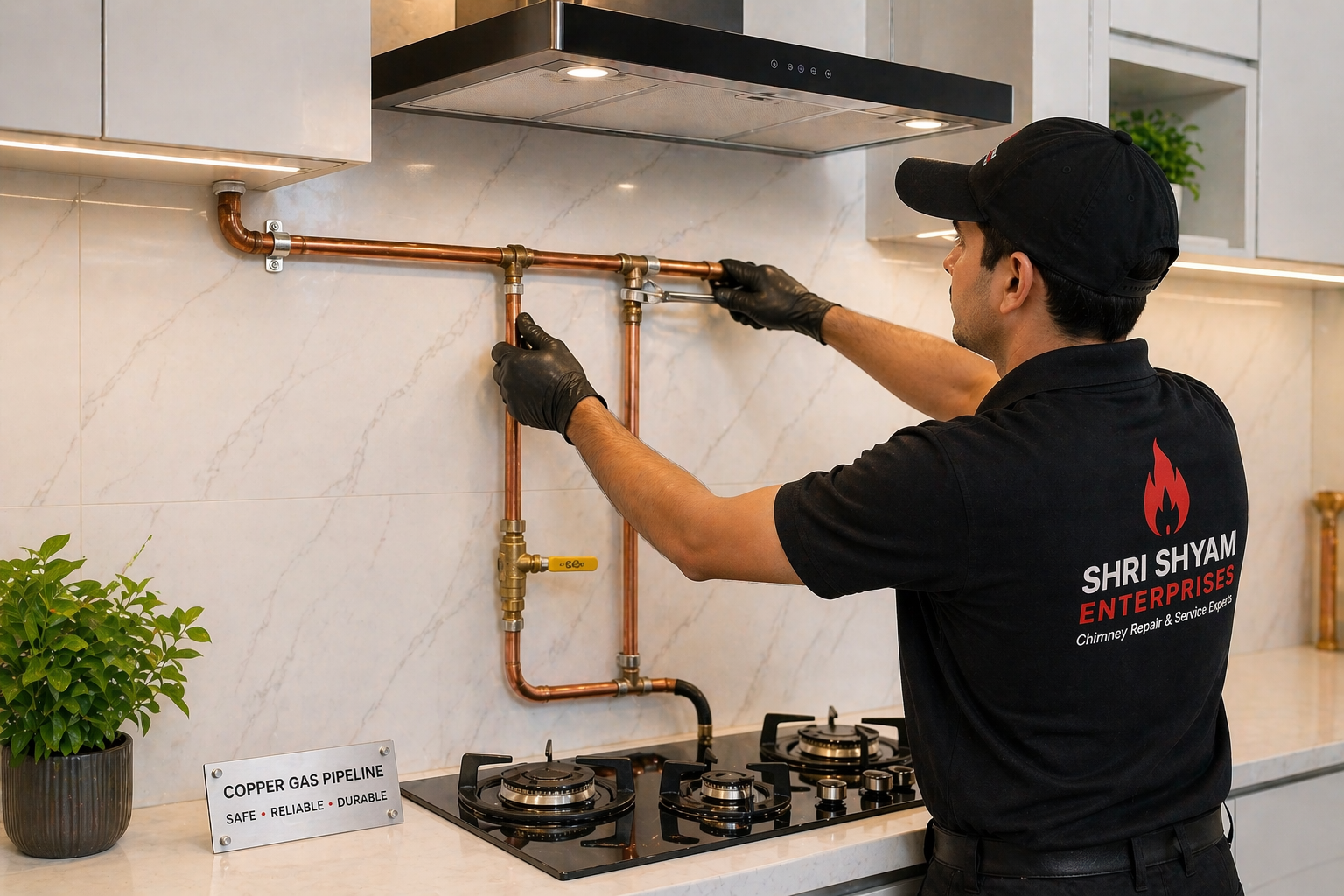
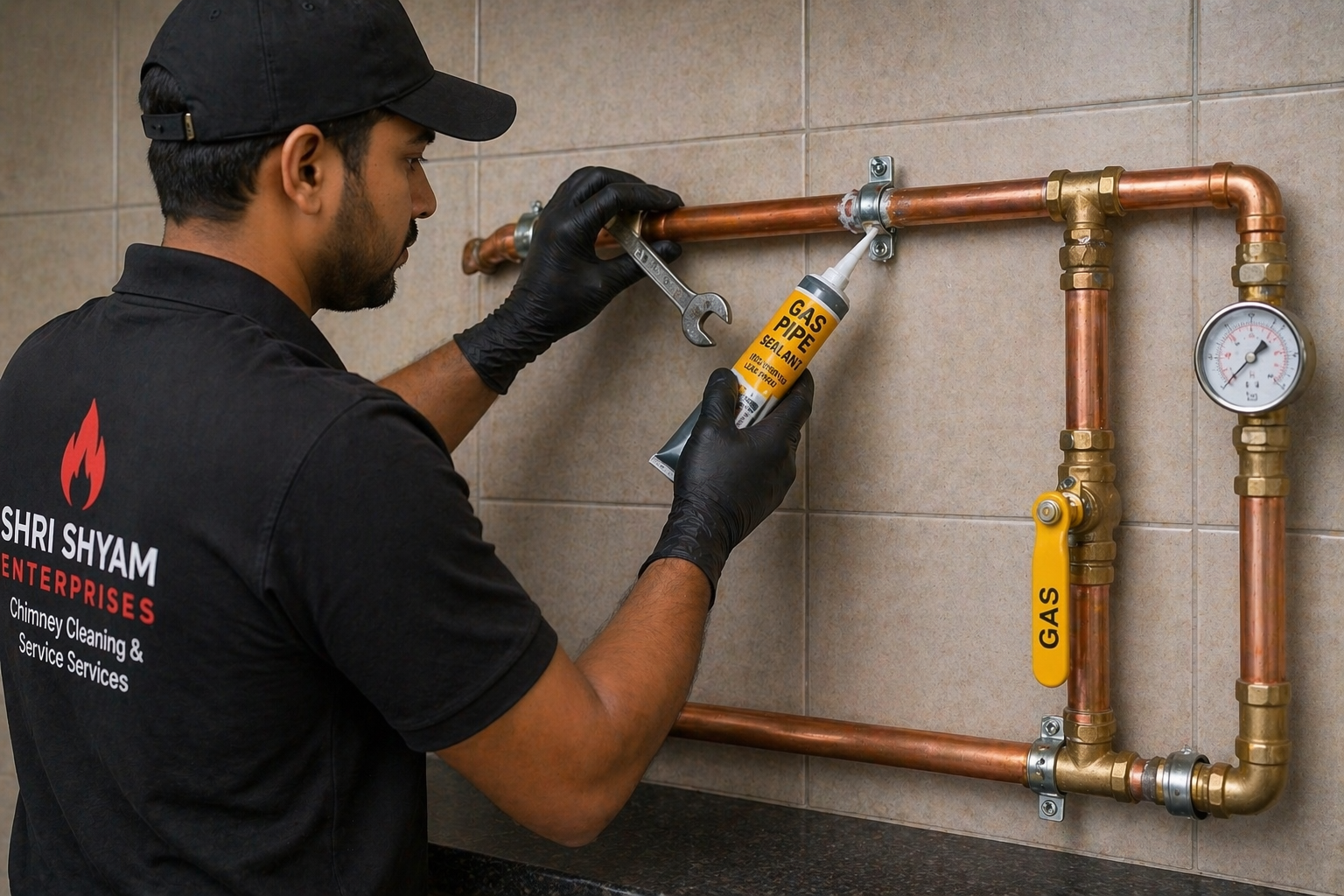
Gas Pipeline Infrastructure & Safety
Industry-leading installation standards for commercial and residential kitchens.
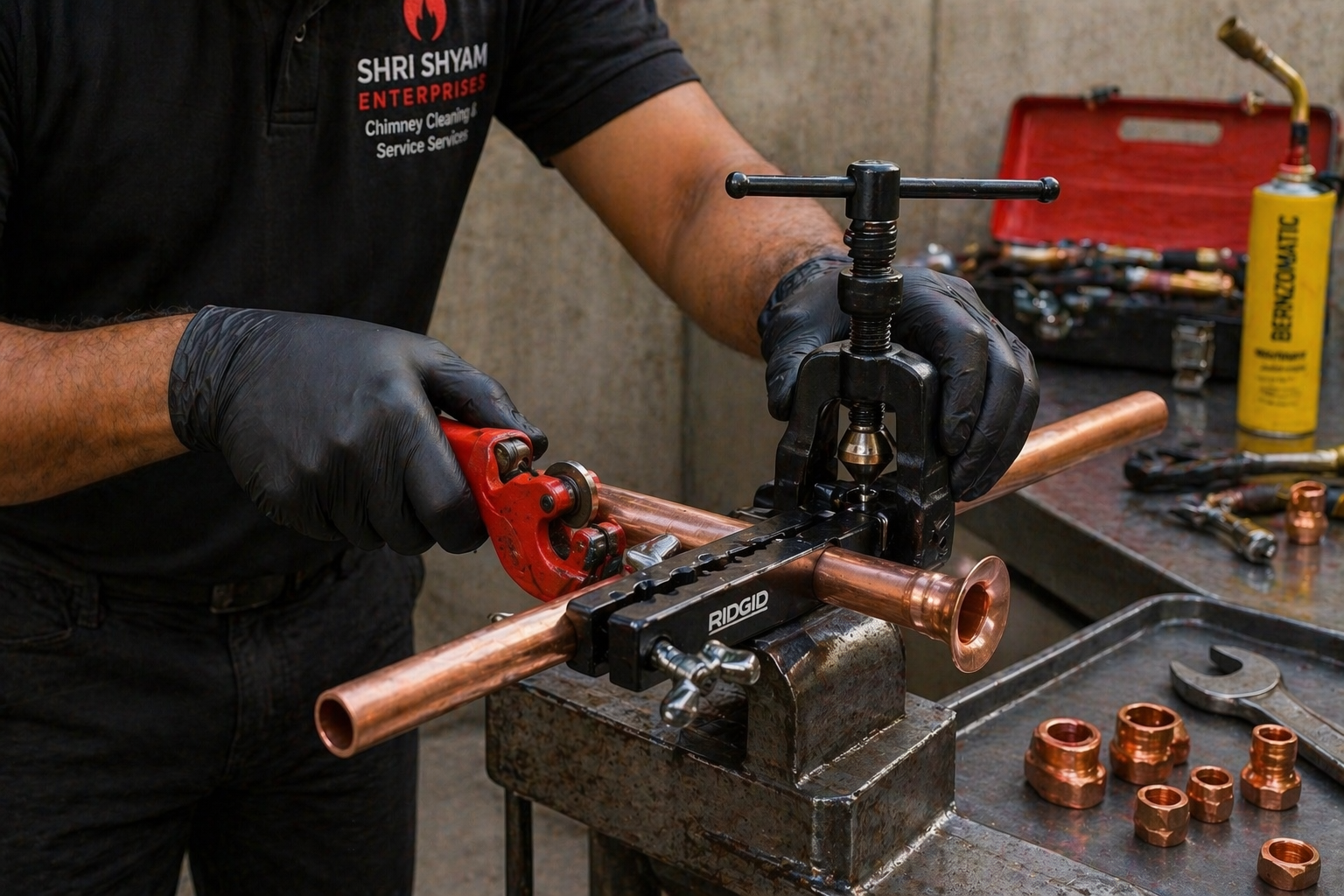
Watch our certified technicians perform a high-pressure copper flaring procedure.
PRO
LPG Pipeline Best Practices
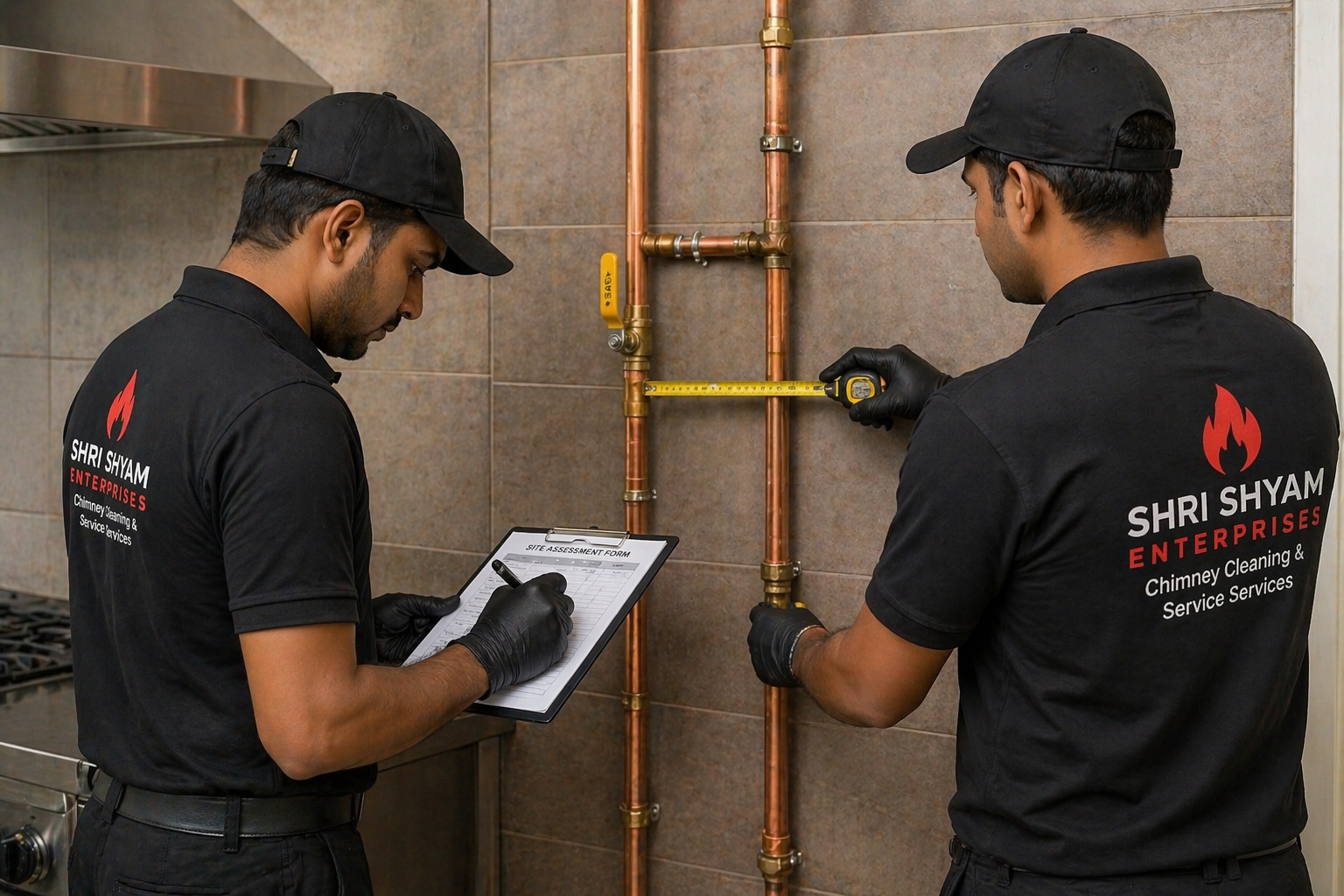
- Professional Site Assessment: We initiate every project with a rigorous 12-point technical survey, analyzing kitchen flow, ventilation requirements, and the most efficient structural routing to ensure long-term stability of the copper network.
- Material Quality Control: Our supply chain is restricted to high-grade, seamless copper piping that exceeds ASTM standards, preventing premature oxidation and ensuring your infrastructure survives decades of environmental stress.
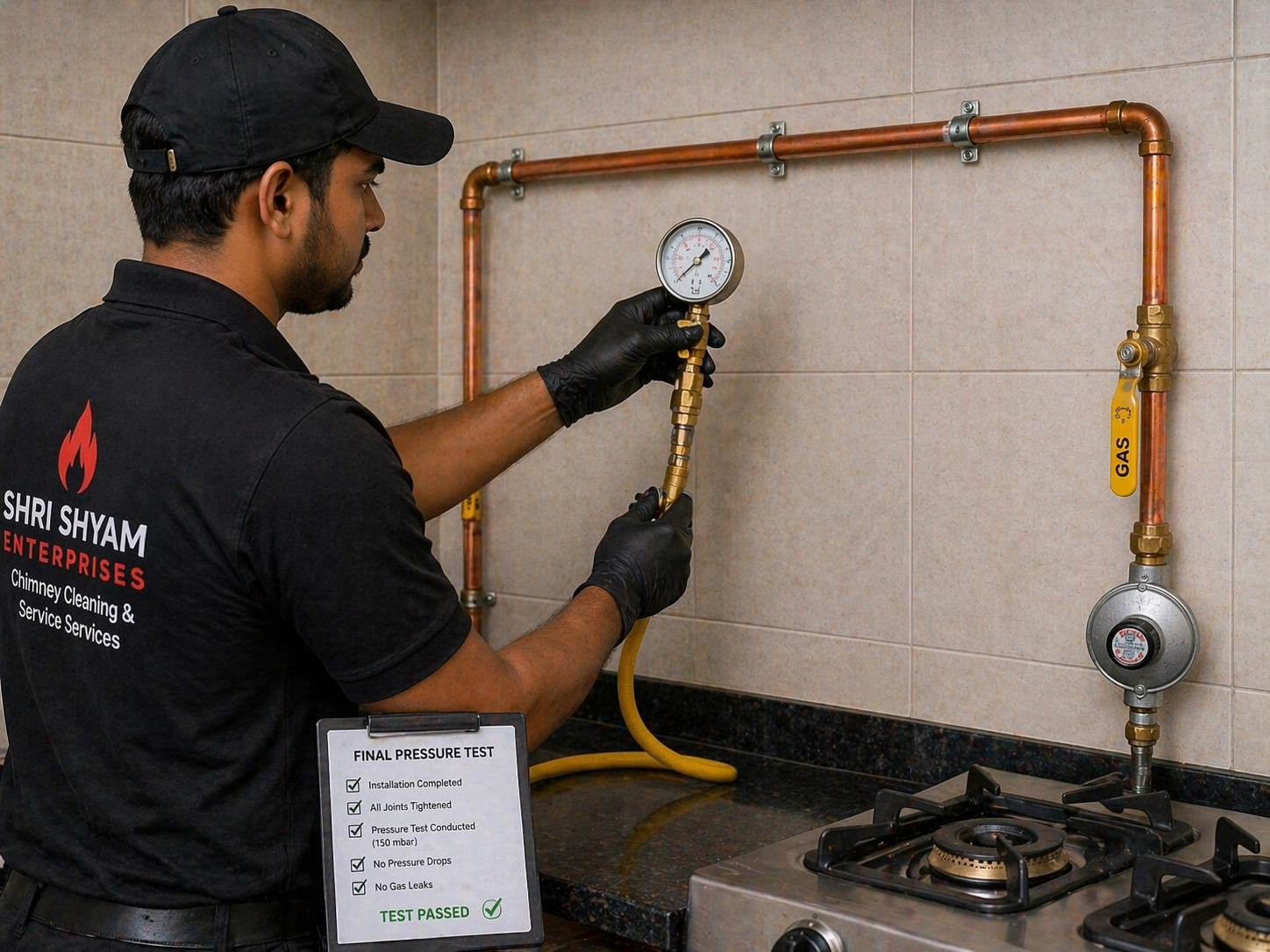
- Compliance & Regulation: Every inch of our installation is designed to meet and exceed international safety codes, providing you with all necessary documentation for commercial fire and safety audits.
SAFETY
Critical Signs of LPG Leakage
- Olfactory Detection (Odor): Immediate identification of the 'rotten egg' smell caused by ethyl mercaptan additives is your first line of defense against potential line breaches.
- Acoustic Indicators: High-frequency hissing or whistling near connection manifolds often signals a structural failure or a loose pressure-seal fitting that requires immediate attention.
- Physiological Monitoring: Sudden onset of localized fatigue, headaches, or dizziness within the kitchen environment can be a silent indicator of carbon monoxide buildup or raw gas accumulation.